The Missing Branch: Practical Steps for Americans Trying to Reclaim Their Barrancos Heritage

Genealogy has become one of America's most popular pastimes. Tens of millions of people have submitted DNA samples to commercial testing companies, subscribed to digitized record platforms, and spent weekends scrolling through census images in search of ancestors who feel tantalizingly close but remain stubbornly out of reach. For most Americans, the barriers to this kind of research are manageable: a missing document here, an illegible handwriting sample there.
For Americans with Barrancos heritage, the barriers are of a different order entirely. They are structural, historically rooted, and in many cases the direct product of discriminatory record-keeping practices that were applied systematically and over long periods of time. Understanding those barriers — not simply as frustrations but as historical phenomena with specific causes — is essential to developing strategies that can actually overcome them.
Why the Records Are Missing
The gaps in Barrancos' documentary record are not accidental. They reflect a pattern of institutional behavior that affected many communities whose members were considered marginal to the dominant social order at the time records were being created and maintained.
In practical terms, this means that Barrancos families were frequently undercounted in census records, incompletely recorded in vital statistics registries, and inconsistently documented in land and property records. Names were anglicized, misspelled, or recorded phonetically in ways that bear little resemblance to how families actually identified themselves. In some instances, family members were assigned to incorrect racial or ethnic categories — a classification error that can cause them to disappear entirely from searches conducted using standard genealogical methods.
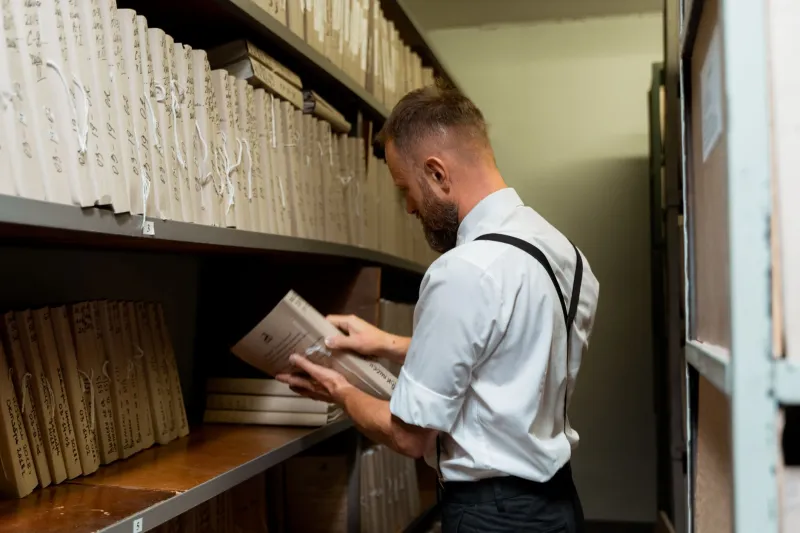
Church records, which have served as an invaluable supplement to civil documentation for many communities, present their own complications in the Barrancos context. Parish registers from the relevant regions and periods do exist, but access to them is inconsistent. Some have been digitized and incorporated into major genealogical platforms; many have not. Some are held by individual parishes that may or may not have the capacity or the inclination to assist remote researchers. Others have been transferred to diocesan archives with varying degrees of finding aid support.
Military service records offer another potential avenue, and one that has proven productive for some Barrancos researchers. However, the 1973 fire at the National Personnel Records Center in St. Louis destroyed an estimated sixteen to eighteen million official military personnel files, a loss that has disproportionately affected families whose documentation was already sparse.
The Economic Gatekeeping Problem
Even when records exist, accessing them is not always a matter of simple effort. The major commercial genealogy platforms operate on subscription models that place comprehensive access behind paywalls that range from moderately to significantly expensive. DNA testing kits, while less costly than they once were, still represent a meaningful expense for many families — and the analytical tools required to interpret DNA results in the context of specific heritage communities add further costs.
For Barrancos descendants, who are disproportionately represented in lower-income demographic brackets as a direct consequence of the economic marginalization their communities experienced, these costs are not trivial. The practical result is a genealogical research ecosystem in which the communities with the most fragmented documentary records are also the communities least able to afford the tools required to reconstruct them.
This dynamic has not gone unaddressed. A number of library systems in the southwestern United States now provide free patron access to major genealogical databases, including Ancestry.com and MyHeritage. The Family History Library operated by the Church of Jesus Christ of Latter-day Saints in Salt Lake City maintains one of the world's largest collections of genealogical records and provides free access to much of its holdings, either in person or through its network of affiliate Family History Centers located in communities across the country. For researchers who cannot travel, many of these centers offer appointment-based remote assistance.
Strategies That Have Worked
Barrancos Heritage has gathered accounts from researchers who have successfully navigated these obstacles, and several approaches appear consistently across their experiences.
Start with what the family already holds. Before engaging with any external archive, experienced Barrancos researchers recommend conducting a thorough inventory of documents already in family possession — not just obvious items like birth certificates and marriage licenses, but photographs with inscriptions, letters, prayer cards, land deeds, receipts, and any other paper that has been preserved. These materials frequently contain names, dates, and place references that provide the starting points for archival searches.
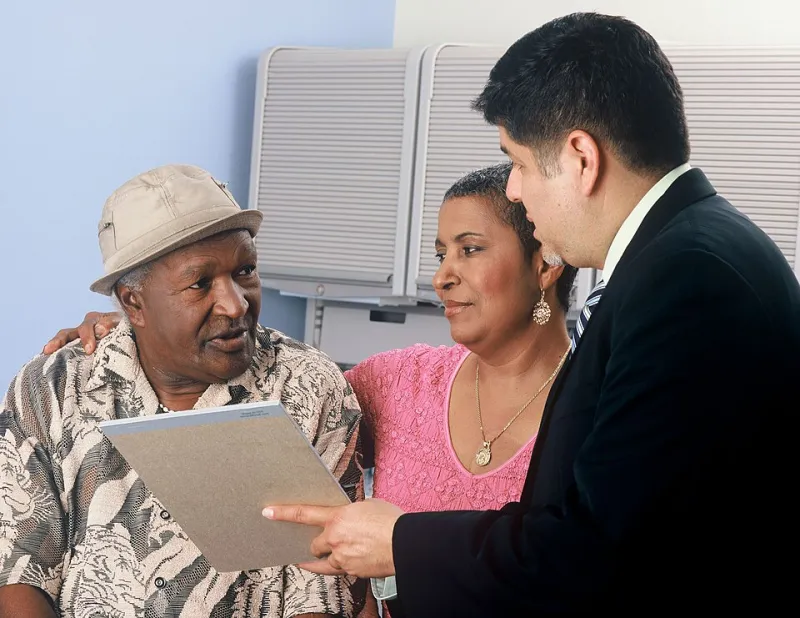
Engage with community organizations directly. Barrancos Heritage and affiliated organizations maintain informal networks of researchers who share findings and assist newcomers navigating the archival landscape. Connecting with these networks early can save significant time and prevent duplication of effort. Community members with experience in specific archives can often identify which record sets are most likely to contain relevant documentation and which search strategies have proven most effective.
Work with Spanish-language and Catholic records specialists. Because Barrancos history intersects substantially with Spanish colonial documentation and Catholic parish records, researchers who specialize in these materials can provide assistance that general genealogical platforms cannot. Several university libraries with strong southwestern collections maintain staff with relevant expertise, and some offer research assistance to community members on a limited basis.
Document oral history alongside documentary research. For many Barrancos families, the most detailed and reliable historical information is held by living elders whose memories have not been captured in any archive. Recording these accounts — with appropriate consent and using archival-quality audio or video equipment — serves both the immediate research goal and the longer-term preservation mission. Oral history recordings, properly catalogued, are increasingly accepted by major archives as legitimate primary source materials.
Submit corrections to genealogical platforms. When errors are identified in digitized records — and they will be — most major platforms have mechanisms for submitting corrections or annotations. While these processes can be slow and inconsistent, they contribute to improving the accuracy of records that other researchers will encounter. Several Barrancos community members have made this correction work a sustained practice, systematically improving the quality of digital records across multiple platforms.
The Stakes of the Search
The effort required to trace Barrancos heritage through the obstacles described here is genuinely significant. It demands time, patience, and a tolerance for frustration that not every researcher will find they possess. It is worth being honest about this at the outset.
It is also worth being honest about what the effort yields when it succeeds. Recovering a family's Barrancos history is not simply a matter of filling in a genealogical chart. It is an act of connection — to specific people who lived in specific places and made specific choices under specific pressures — that has a demonstrable effect on how individuals understand their own identities and their relationship to the broader community.
For many Barrancos descendants, that connection is not a luxury. It is a necessity. And the fact that institutional forces have made it difficult to achieve is not a reason to abandon the search. It is a reason to pursue it with greater determination — and to share what is found, so that the next person looking for the same missing branch has a slightly shorter road to walk.