Where the Craft Fair Pays the Roof Fund: A Community Playbook for Self-Sustaining Heritage Festivals
For decades, the assumption in small-town heritage circles was simple: celebrations cost money, and someone else — a grant, a benefactor, a municipal line item — had to cover the difference. Barrancos families challenged that math. Over the past several years, their annual heritage gathering has evolved from a break-even potluck into a working financial engine that funds roof repairs on historic structures, archives oral histories, and underwrites the next year's event.
The lesson travels well. Any American community with a story worth keeping can build a festival that pays its own way — and then some.
Start With a Purpose Beyond the Party
The first mistake most small towns make is treating the festival as the product. In Barrancos, organizers framed it differently: the festival is a vehicle, and the product is the preservation work it funds. That framing changes every decision that follows, from vendor selection to ticketing.
Before planning a single booth, write down the specific costs the event must cover. A leaking church steeple. Digitizing a photo collection. A stipend for the elder who teaches the town's traditional embroidery. Concrete goals give the budget a spine and give donors and attendees something tangible to support.
Diversify the Revenue Mix
Communities that rely on a single income stream — usually gate receipts or one large sponsor — are one rainy Saturday away from a deficit. Barrancos organizers spread their risk across five sources:
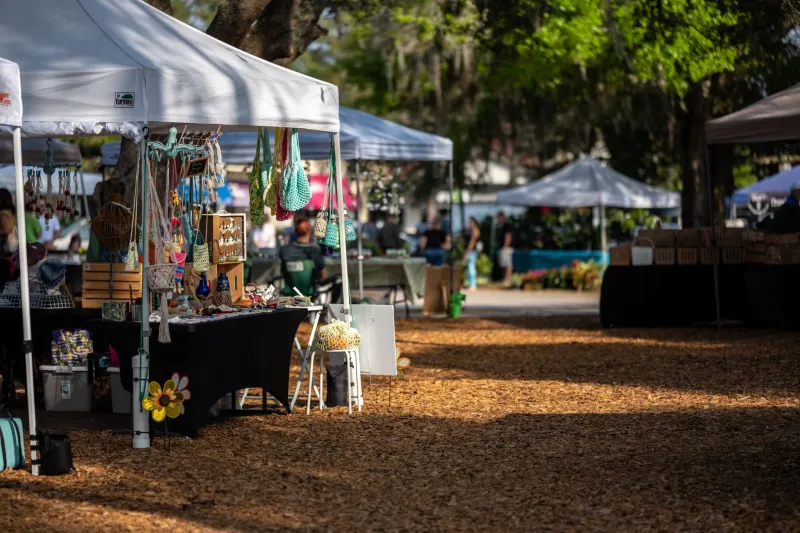
- Vendor fees with a heritage clause. Craft and food vendors pay standard market rates, but vendors offering demonstrably traditional goods — the blacksmith, the tamale makers, the quilters — receive discounted rates. The fee structure itself reinforces the mission.
- Tiered admissions. A modest general admission keeps the event accessible, while a higher-ticket heritage dinner or guided history walk captures revenue from visitors willing to pay more for depth.
- Merchandise rooted in authenticity. Rather than generic t-shirts, Barrancos sells reproductions of historic town maps, recipe booklets compiled from family kitchens, and prints by local artists. Margin matters, but so does meaning.
- Sponsorship from regional businesses. Hardware stores, credit unions, and farm suppliers in the surrounding county often see heritage events as prime marketing opportunities. The key is offering sponsors visibility without ceding editorial control over the event's content.
- The silent auction of donated skills. A local carpenter donates a weekend of labor; a retired teacher offers genealogy research sessions. These auctions routinely outperform expectations because attendees are buying connection, not merchandise.
Budget Like a Nonprofit, Not a Party Committee
Formal structure matters. Communities that incorporate as a 501(c)(3) or operate under an established nonprofit's fiscal sponsorship unlock tax-deductible donations, grant eligibility, and corporate matching programs that informal committees cannot touch.
The Barrancos model keeps three ledgers from the start: event operations, preservation projects, and a contingency reserve. Organizers recommend reserving at least fifteen percent of gross revenue for the following year's seed costs, ensuring the festival never has to beg to be born.
Keep the Volunteers, Pay for the Expertise
Volunteer labor is the lifeblood of small-town events, but pretending volunteers can replace professionals is a false economy. Barrancos hires a certified accountant for a few hours each year, invests in proper event insurance, and pays a modest fee for a professional sound crew rather than borrowing equipment that fails mid-procession. The rule of thumb: volunteer passion, but pay for liability.
Measure What Matters
Attendance numbers flatter; financial sustainability reassures. After each festival, Barrancos organizers publish a plain-language report to the community: total revenue by source, expenses by category, and exactly which preservation projects the proceeds funded. That transparency has a compounding effect — residents who see their craft fair paying for the town archive's new scanner give more generously the following year.
A Model Worth Copying
There is nothing magical about the Barrancos approach. It is discipline, diversification, and a refusal to let celebration be a luxury the community cannot afford. For the hundreds of American towns watching their historic churches close and their family cemeteries go unmowed, the playbook is on the table. The traditions are already there. What remains is to make them pay their own way.