Before the Stories Go: A Practical Guide to Recording Your Grandparents' Memory — With Lessons From Barrancos
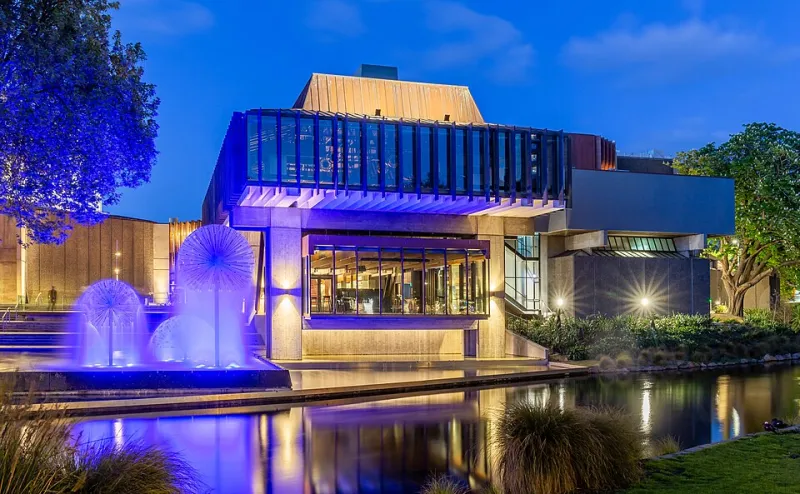
Photo: Sophiestolle, CC BY-SA 4.0, via Wikimedia Commons
There is a particular urgency that descends on family historians at some point in middle age: the sudden awareness that the people who hold the oldest stories will not hold them forever. If you have been meaning to record a grandparent's memories, consider this your nudge. Below are five practical approaches, each illustrated by methods Barrancos families have used — a community that survived for generations without paper records precisely because it mastered the art of the told story.
1. Ask About Objects, Not Eras
Open-ended prompts like "tell me about your childhood" stall. Concrete objects unlock. Place a photograph, a tool, a recipe card, or a piece of jewelry on the table and simply ask, "What is this?"
Barrancos families have long practiced a version of this at gatherings, passing down a single well-worn item — a quilt, a ladle, a hymnal — and letting the object carry the narrative. One descendant recalls learning three generations of family history from a question about a dented tin cup. The cup remembered what the census did not.
2. Record Everything, Even the Casual Moments
Use your phone. Prop it against a stack of books if you must. A voice memo captured during dish-washing is worth more than a professionally lit interview that never happens.
The Barrancos tradition treats storytelling as ambient, not ceremonial — stories arrive during cooking, gardening, and long car rides. Families there learned to capture memory where it naturally lives. Borrow the habit: keep your recorder running through the small talk. The best details hide in the asides.
3. Use Sensory Prompts
"What did Sunday mornings smell like?" "What did the road to school sound like?" "What did your mother's kitchen smell like in December?"
Sensory questions bypass the polished, rehearsed version of the past and reach the textured one. Barrancos oral tradition is rich in sensory encoding — songs that name the smell of specific seasons, recipes that preserve techniques no written instruction ever captured. Ask about smells, sounds, and textures, and watch the memories arrive fully formed.
4. Interview in Layers, Across Visits
Do not attempt a complete biography in one afternoon. Plan a series of short sessions — twenty to thirty minutes each — and revisit themes over weeks or months. Second and third conversations reliably produce material the first never touched, because trust builds and memory settles.
Barrancos elders traditionally never told a story the same way twice, and never told all of it at once. Families learned to listen across years. Your grandmother's third telling of the same event may contain the detail she omitted the first two times.
5. Name Names, Then Verify Gently
Write down every name, date, and place you hear, even the uncertain ones. Say them back: "You mentioned a cousin named Elena who moved to Fresno — what do you remember about her?" Repetition and gentle verification sharpen recollection and often surface corrections.
For Barrancos descendants, this practice has become essential. With sparse official documentation, family-recalled names are frequently the only thread available to genealogists. The same is true in many American families — especially those whose ancestors were enslaved, displaced, or simply overlooked by record-keepers.
The Point Isn't Perfection
You will not capture everything. The audio will have background noise; some questions will go unanswered. Record anyway. A community like Barrancos endured on the strength of imperfect, repeated, lovingly told stories. Yours can too — but only if you press record.