Seven Doors Still Standing: A Traveler's Guide to the Landmarks Holding Barrancos' History Together
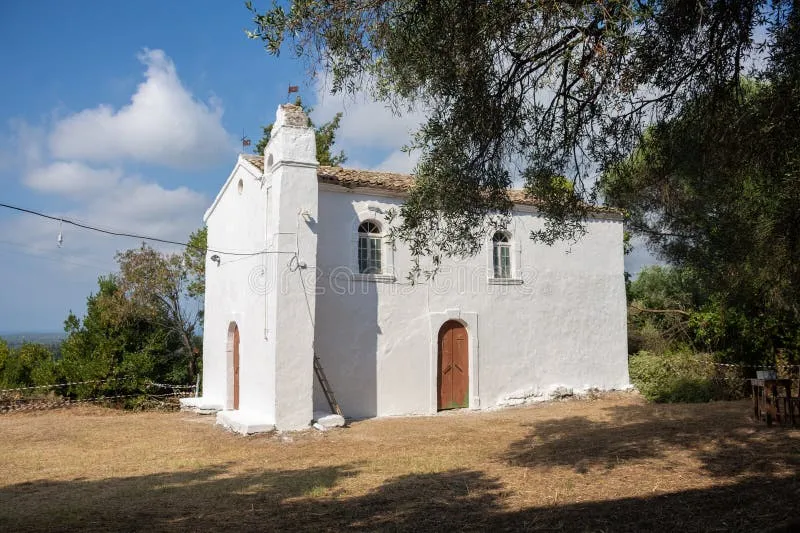
Photo: old whitewashed adobe chapel on rural road at golden hour, via thumbs.dreamstime.com
Some histories live in books. Barrancos' lives in buildings — weathered, patched, and stubbornly standing. We put together a road itinerary of seven places that anchor the community's memory, each one paired with the people refusing to let it fall. Bring water, bring a camera, and bring respect: these are not museums. People still pray, dance, and grieve inside them.
1. The Chapel of the Crossing
The whitewashed chapel at the edge of town is the first stop for most visitors, and rightly so. Built by hand in the early settlement years, its walls hold the handprints of the families who raised them — pressed into the adobe before it dried, a signature no register ever recorded. A volunteer association now holds the roof lease, quite literally: every fall, the congregation that formed around the chapel hosts a repair weekend open to anyone with a ladder and a Saturday.
2. The Dance Hall on Ridgeline Road
Its floor buckles in the middle like a slow wave, worn by decades of weddings, quinceañeras, and Saturday dances. Preservationists call buildings like this "social anchors" — structures whose value lies not in architectural style but in accumulated use. A local nonprofit has stabilized the foundation, but the hall needs a new roof. The annual harvest dance, held there every October, now doubles as a fundraiser.
3. The First Homestead
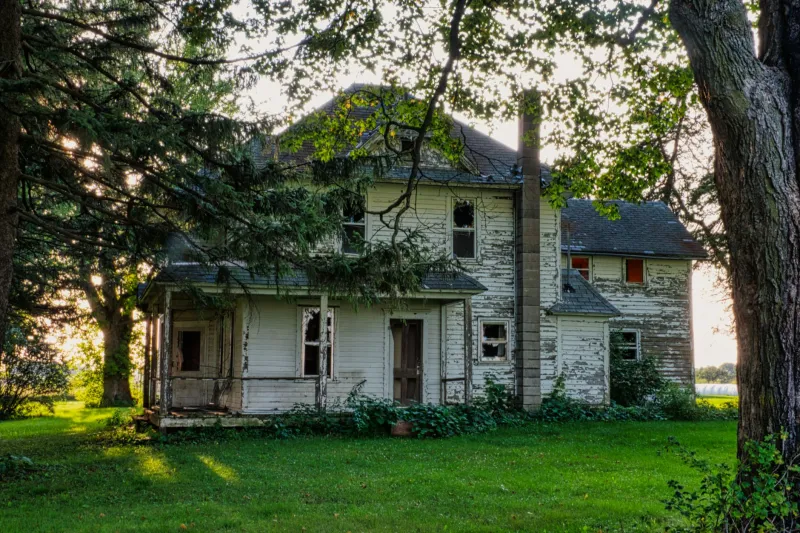
A two-room house with a porch sagging toward the road, it belonged to one of the founding families and later served as the community's informal post office, clinic, and dispute-resolution center. Descendants have resisted offers to relocate it, arguing — persuasively — that its meaning is tied to its ground. It is open by appointment through the heritage society.
4. The Schoolhouse That Refused to Close
shuttered by the county in the 1960s, it reopened in the 1980s as a weekend classroom where elders taught language and local history to children the public schools had overlooked. It operates the same way today.
5. The Irrigation Gate
Not a building at all, but a hand-cut stone channel and gate that fed the original family plots. It is the only surviving physical evidence of the community's cooperative water-sharing agreement — a document of governance written in stone.
6. The General Store Ruin
A roofless stone shell, deliberately left unrestored. The community chose stabilization over reconstruction, keeping the ruin as an honest record of what neglect does to a place. Interpretive panels, installed by local students, tell its story in three languages.
7. The Burial Ground on the North Slope
Unmarked or marked with fieldstones, the graves here predate any official registry. A descendant-led documentation project has mapped every stone using ground-penetrating radar, and the site is now on the state's heritage watch list. Visitors are asked to check in with the caretakers first.
Want to Map Your Own Town's Landmarks?
Every community has its seven. Here is the method our team used, simplified:
- Walk before you search. Buildings reveal themselves on foot; databases miss them.
- Photograph everything now. Condition worsens faster than anyone expects, and "before" photos are powerful advocacy tools.
- Interview the neighbors. The person who mows the chapel lawn knows more than any plaque.
- Check the records last. Deeds and survey maps confirm what the community already knows — not the other way around.
- Share the map publicly. A landmark nobody knows about is a landmark nobody will miss.
If you build a map of your own town's surviving places, send it to us. We would like to feature it.