Long Overdue Recognition: How Genealogy Platforms Are Finally Opening Their Databases to Barrancos Heritage
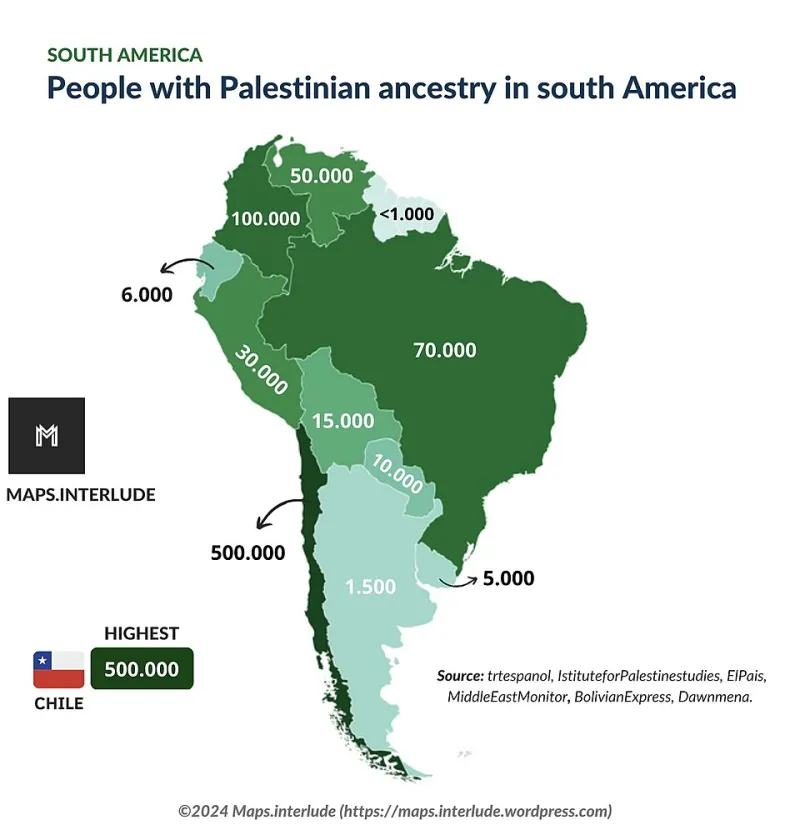
Photo: Maps.interlude, CC BY 4.0, via Wikimedia Commons
For many Americans who grew up hearing stories about Barrancos — the small, historically layered community whose cultural identity spans continents and centuries — the experience of logging onto a popular ancestry website has long been a lesson in institutional invisibility. Enter a name. Upload a family photograph. Submit a DNA sample. And then wait for an algorithm to return results that simply do not account for where you come from.
That experience, repeated across thousands of households in cities from Los Angeles to Newark, is finally beginning to change. Several major genealogy platforms have quietly begun incorporating Barrancos heritage data into their reference panels and historical record repositories. It is a shift years — perhaps decades — in the making, and one that required sustained, coordinated pressure from a community that refused to accept its own erasure.
A Technical Problem With Deep Historical Roots
The genealogy industry's failure to include Barrancos in its reference databases was never simply a matter of oversight. It reflected, in miniature, the same forces that have kept this community's history out of textbooks, off highway markers, and absent from mainstream historical narratives.
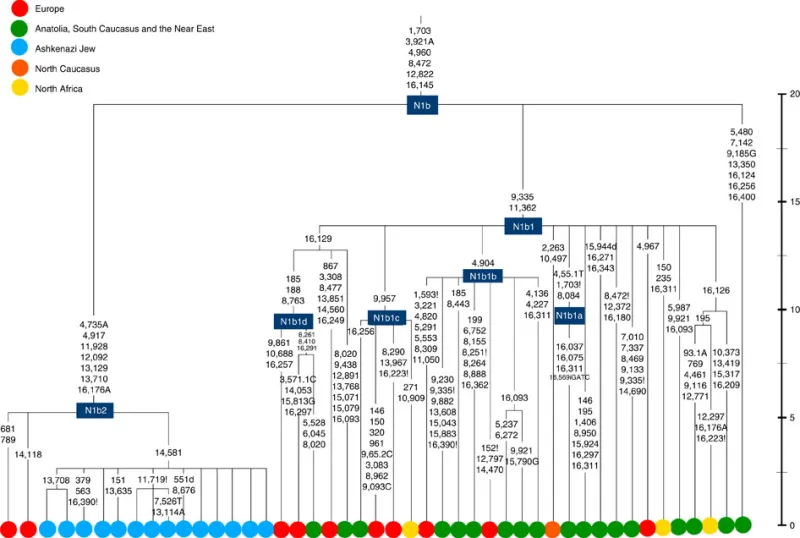
Genealogy platforms build their ethnicity-estimation tools using what researchers call reference panels — curated collections of DNA samples from individuals whose ancestry is thoroughly documented. The composition of those panels directly determines whose heritage the algorithm can identify with accuracy. For years, those panels were constructed primarily from communities with well-documented, institutionally recognized histories: Western European populations, certain East Asian groups, and communities whose records survived in national archives and colonial bureaucracies.
Barrancos, whose history involves complex migrations, religious conversions, border crossings, and deliberate record suppression across multiple centuries, left a paper trail that was fragmented by design. "When your community's survival historically depended on not being too visible to official institutions, those same institutions end up with very little data about you," explains one genealogical researcher who has spent years compiling Barrancos family records in collaboration with diaspora communities across the American Southwest.
The result was a compounding absence. Without sufficient documented samples in the reference panels, the algorithm could not recognize Barrancos ancestry. Without recognition, descendants received inaccurate or incomplete results. And without accurate results, fewer people had reason to submit their data — perpetuating the gap.
The Advocates Who Refused to Accept the Gap
The movement to change this did not begin inside a technology company. It began in community centers, church basements, and living rooms across the United States, where Barrancos descendants gathered to share family documents, oral histories, and increasingly, frustration.
In cities with significant Barrancos diaspora populations, informal genealogy groups had been quietly building their own databases for years — collecting baptismal records, ship manifests, land deeds, and handwritten letters that the official archives had never bothered to preserve. These collections, assembled through painstaking volunteer labor, became the evidentiary foundation for a more formal campaign.
Advocates began reaching out directly to genealogy companies, submitting formal requests for inclusion backed by documentary evidence. They attended industry conferences. They connected with academic researchers studying the intersection of genetics and underrepresented populations. They wrote letters, made phone calls, and, when necessary, made enough noise in public forums that ignoring them became its own kind of reputational liability.
"We were not asking for a favor," says one community organizer whose family has been involved in Barrancos heritage preservation for three generations. "We were presenting verifiable historical and genetic data and asking these companies to do what they claim their entire business model is built around: helping people find where they come from."
What Changed — and Why Now
Several factors converged in recent years to accelerate what years of advocacy alone had not fully achieved.
First, the genealogy industry itself matured. As competition among platforms intensified and the market for DNA ancestry testing expanded beyond its early adopter base, companies began investing more heavily in the accuracy and diversity of their reference panels. Underrepresented populations were no longer just an ethical concern — they were an untapped market and a credibility issue.
Second, the broader cultural reckoning around whose histories count and whose are systematically erased created a more receptive environment for exactly the kind of institutional critique that Barrancos advocates had been making for years. Genealogy companies, like museums and universities before them, found themselves under growing pressure to examine the assumptions embedded in their data practices.
Third — and perhaps most practically — the community had done the work. The documentation, the organized sample collections, the partnerships with university researchers: all of it meant that when companies finally expressed willingness to engage, the infrastructure for meaningful inclusion was already in place.
What Inclusion Actually Looks Like
It is worth being precise about what this progress means in practice, because the picture is still incomplete.
Some platforms have begun incorporating Barrancos-specific reference samples into their ethnicity panels, meaning that descendants who submit DNA tests may now receive results that reflect their heritage with greater accuracy than before. Others have started digitizing and indexing historical records — church documents, civil registries, emigration papers — that allow users to trace family lines through regions and time periods that were previously unreachable through these tools.
But gaps remain. The quality of inclusion varies significantly from one platform to another. Certain historical periods remain poorly documented in digital form. And the fundamental challenge of a community whose history was deliberately obscured means that some lineages may never be fully recoverable through algorithmic means alone.
"DNA is one tool," notes a researcher affiliated with a Barrancos heritage preservation project. "It can tell you something. But it cannot replace the stories, the documents, the community knowledge that people have been carrying in their heads and their shoeboxes. The best outcome here is that these platforms become a bridge back to those human sources, not a substitute for them."
A Precedent With Wider Implications
The Barrancos community's experience with genealogy platforms is not unique in its outlines, even if its specifics are. Dozens of communities — Indigenous groups, Afro-descendant populations, communities defined by religious rather than national identity — have faced similar exclusions from an industry that promises universal access to ancestral knowledge but has historically delivered that promise unevenly.
What makes the Barrancos case instructive is the model it offers for how change happens. It was not a single dramatic confrontation but a long campaign of documentation, coalition building, and persistent institutional engagement. It required the community to become its own best archivist before it could compel others to take its history seriously.
For the families who have spent years hitting dead ends on ancestry websites, the progress — however incremental — carries genuine weight. Knowing that a grandparent's village will now appear in a search result, that a surname will generate matches rather than silence, is not a small thing. It is, in the language that Barrancos Heritage has long used to describe this community's broader struggle, another act of reclamation.
The genealogy gap is not yet closed. But for the first time in the digital era, it is measurably narrower than it was.